Posts

Showing posts with the label mood

How bad mood ensures the survival of the species

Image
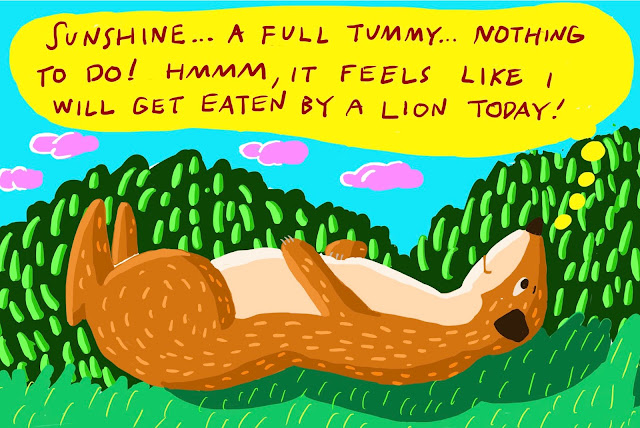
 Animals and humans have a built-in alarm system: the hormone cortisol.  Animals may stray away from their family to get some food, freedom, or sunshine. The sun increases the brain hormone serotonin which is responsible for a joyful feeling. After a while, before an unseen predator attacks, cortisol rises to make them feel anxious, restless, generally feeling bad and not knowing why. At this point, the animal would rush back to its family or herd. In the company of those we love, like or trust, the brain chemical oxytocin shoots up. Oxytocin gives us a good feeling. Anxiety and fear make animals and humans irritable and even hostile. But avoiding trouble is the response if the threat is too big. Evolutionary scientists noted that animals who were not easily scared were the first to die. Humans also try to displace the cortisol surge by getting angry. We kick the trash can, curse someone, or unfriend people on social media. Some deal with it by praying or meditating. When we a...
Explain Nation: Why we feel bad after we feel good

Image
"The product looks so good and it’s so cheap. What’s the catch?!" We have become so suspicious of good things and good feelings. I have even heard of a woman who nearly panicked in the middle of a proposal from her boyfriend. This can be a plausible explanation for all that: Our mammal ancestors lived among herds to stay safe. Once in a while, a toddler mammal would stray into the open for some nice sunshine and a taste of freedom. In a little while, the hormone cortisol would give him a bad feeling that he couldn’t explain. He would be compelled to hurry back to the herd. In the presence of trusted ones, the brain chemical oxytocin would give him a feeling of comfort and bliss. Why is cortisol such a wet blanket? Well, its job order is to make animals, including humans, survive. Without it, we will feel too secure until a lion snatches us for lunch. The survival instinct made our forefathers see cultural systems of rewards and punishment as concepts so natural. They saw noth...